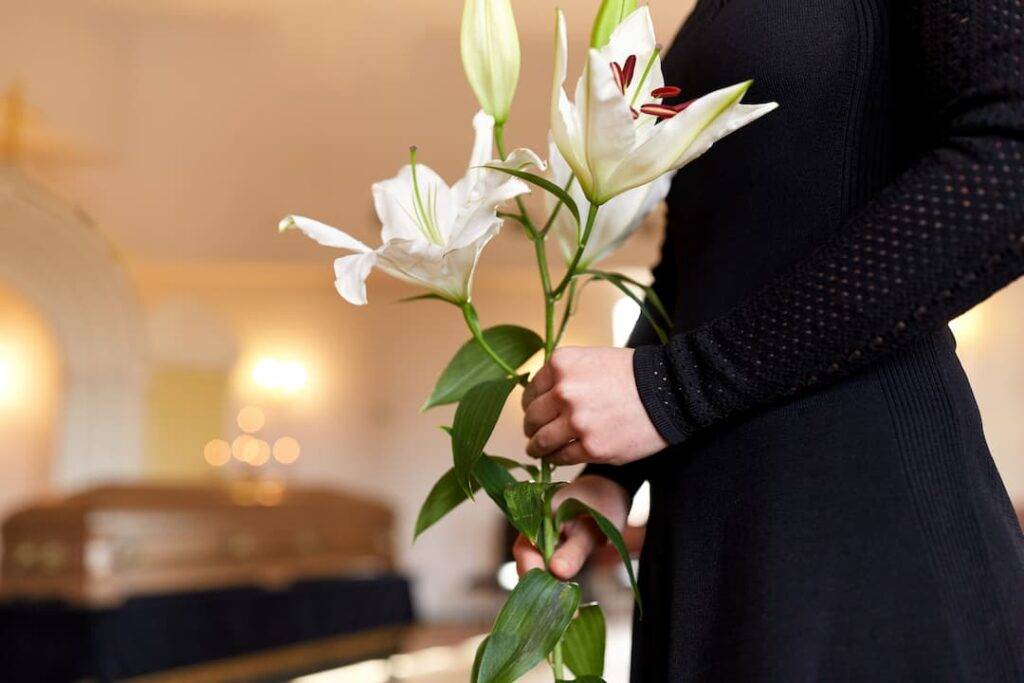
Death is a difficult topic of conversation for many, despite being one of very few things in life that is guaranteed. When a death occurs, a funeral will likely follow, and knowing how to behave, or what to say, can make attending a less daunting prospect. The actions of those present can also have a profound impact on other mourners, particularly the immediate family. To make the day a little easier, we’ve compiled some advice. This is our professional experience and that of etiquette experts, on the subject of funeral attendance.
What Should I Say To The Family Of The Deceased?
The funeral is likely to be a difficult time for those closest to the deceased, so you may feel compelled to say something. However, the more we say, the more likely we are to say the wrong thing. A simple ‘our condolences to you’, or ‘we’re thinking of you all during this time’ shows you care in a simple, respectful manner. If you were close to the deceased, sharing a happy memory you have can also help mourners to focus on more positive times.
What Should I Wear To A Funeral?
Black is the recognised ‘colour of mourning’ and is the traditional choice for the majority of funerals. However, dark tones of blue or grey are also suitable. The key is to keep attire:
- Tasteful
- Subtle
- Modest
- Appropriate
Of course, every funeral service or celebration of life will be unique, and family may ask that you wear colourful clothing or even costumes. However, bold fashion statements should only be made if that form of attire has been explicitly requested.

What Should I Take With Me To A Funeral?
The list of essentials for attending a funeral is a short one:
- Tissues
- A charitable donation
- A card/flowers
- Your fond memories
You should also make sure you have what you need for the weather conditions, such as an umbrella, coat, sunglasses, suncream, hat, gloves or scarf etc.
Giving Gifts To The Family Of The Deceased
If you are wanting to give something to the family to express your sympathy, cards and flowers are the most common choices. If you wish to make a larger gesture, perhaps provide a meal to help them stay nourished during a challenging time of grieving.

Gifting At Faith Funerals
The sending of flowers can be less a matter of etiquette and more a question of cultural appropriateness. Certain religions and beliefs deem the sending of flowers as inappropriate, like a Jewish funeral, for example. When considering gifts, it can be wise to do your research first.
Can Children Attend Funerals?
Children can attend funerals unless you have been asked otherwise by the bereaved family. That said, younger attendees may struggle to stay quiet or still during a long service, so consider where you sit in case you need to leave suddenly. It may also be useful to speak to your child(ren) about what to expect at the funeral so they are prepared.
What Not To Do At A Funeral
Sometimes, it is simpler to know what to avoid rather than what to do. Our top funeral ‘no-no’s are:
- Sharing potentially insensitive cliches such as ‘they’re in a better place’, ‘time’s a great healer’ or ‘I know how you’re feeling’.
- Invading privacy by asking overly personal questions about how they died, or seeking details regarding health issues, etc.
- Taking photographs (even if you haven’t seen family members for a long while) or accepting phone calls during the service.
- Telling inappropriate stories or jokes about the deceased. (If you have something you wish to share, check in advance that the family are happy for you to do so.)
- Stealing focus by dressing inappropriately or bringing up grievances you have with other people in attendance during the funeral.
Contact Brett Quinton Funeral Directors In Willenhall
If you’re arranging a funeral, or would like more information regarding etiquette for attending funeral services, contact Brett Quinton. Our dedicated staff members can provide bereaved families and mourners with useful information, support and advice. Call us on 0190 260 2686 today.